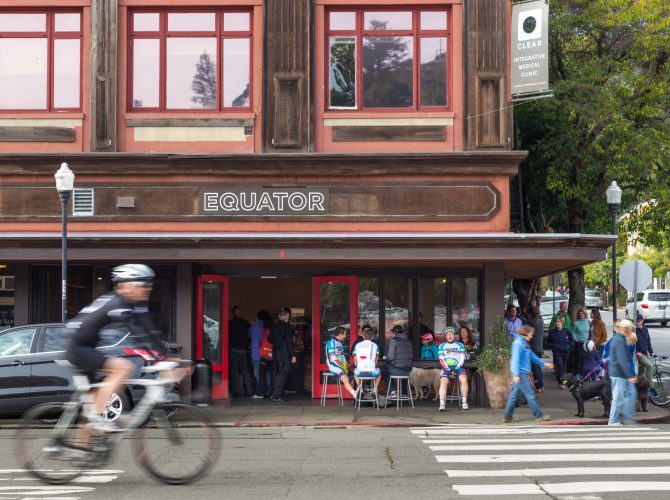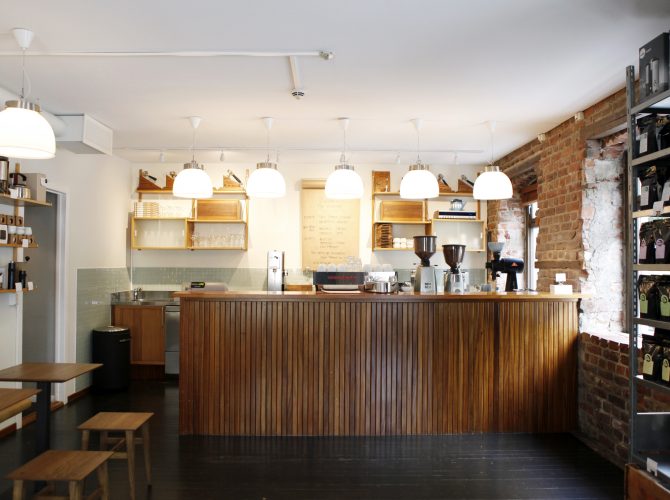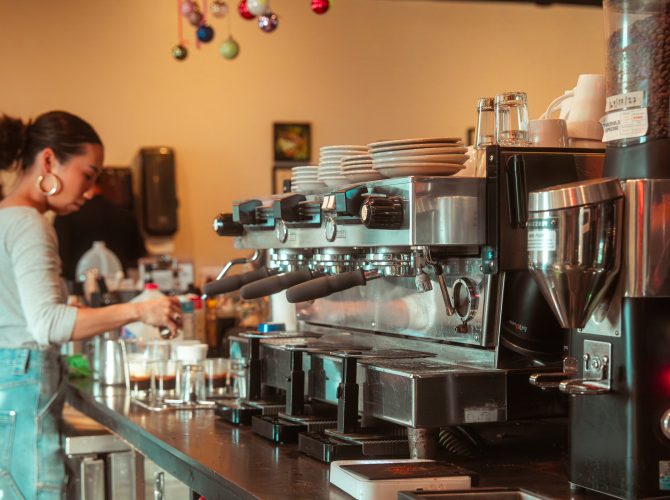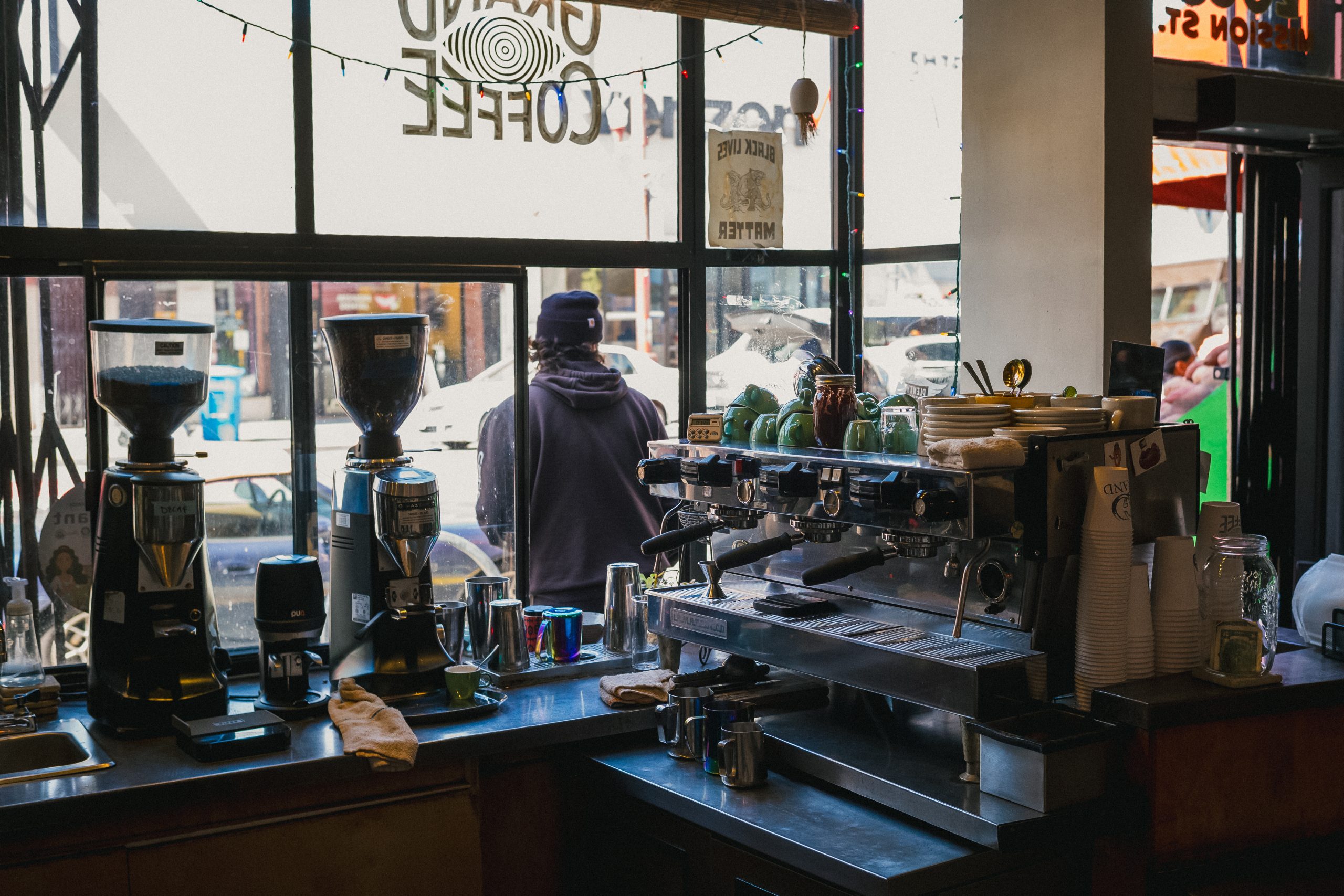
There’s no one right solution for how to open a coffee shop. But whether you’re thinking about a cutting-edge coffee bar or a neighborhood café with a food menu, there are a few key things to consider if you’re planning on offering espresso at your business. This guide features interviews with specialty coffee experts across a variety of different disciplines to help you understand everything you need to know to open a coffee shop.
1. Choose the Right Coffee Roasting Partner
If you’re not planning on roasting your own coffee, finding the right coffee roasting partner can be an important step. Some coffee roasters can offer training and tech support services to help you open your doors. “Working with a local roasting partner offers a ton of benefits. To start, you can participate in cuppings at the roastery or utilize any tech or training services that the wholesale roaster offers,” says coffee shop consultant Sandra Loofbourow.
2. Picking the Best Commercial Espresso Machine for a Coffee Shop
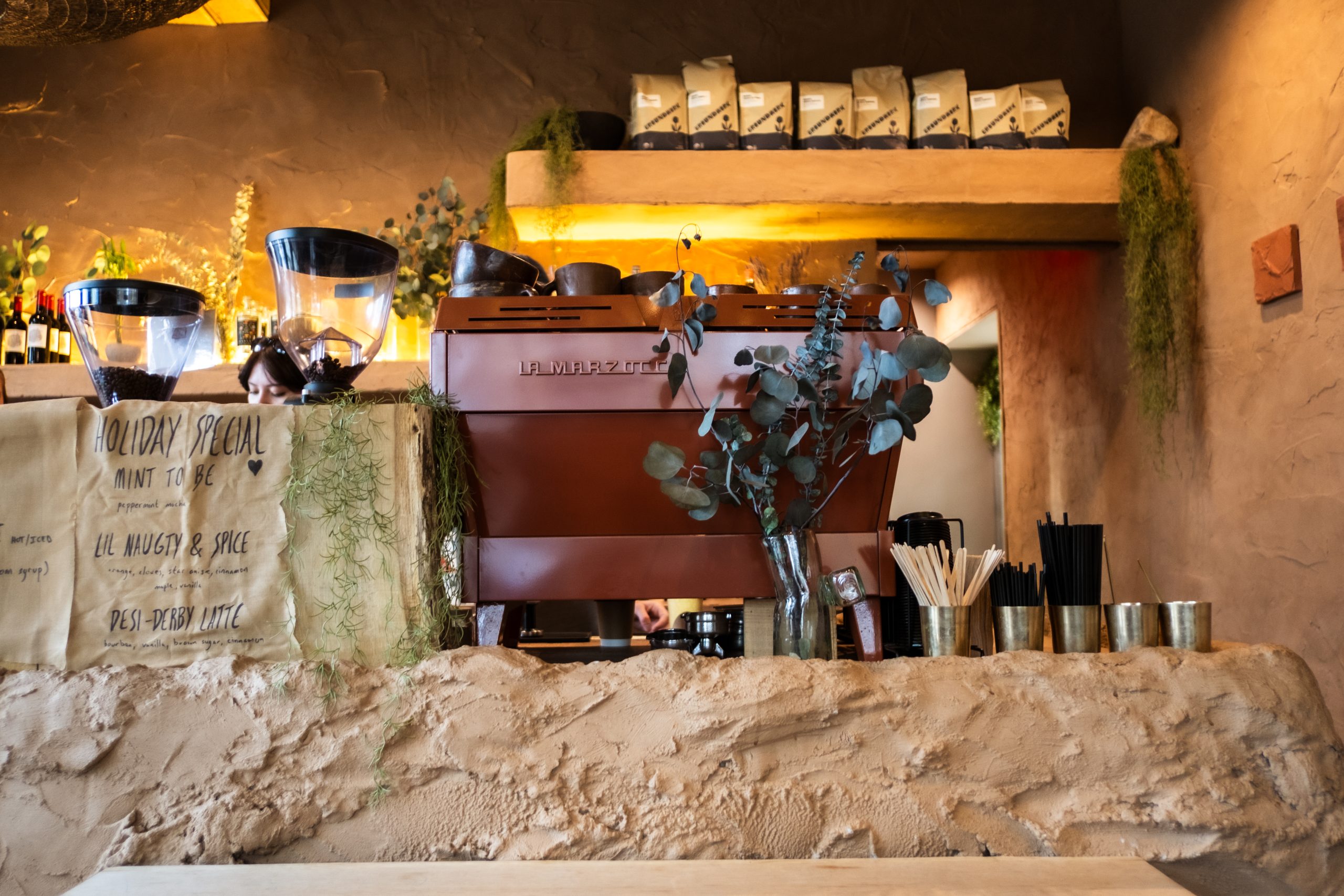
La Marzocco offers many different styles of espresso machines, including automatic espresso machines, and it’s important that you find the right fit for your café. When asked what features one should look for, coffee shop consultant Jaymie Laothinks café owners need to ask themselves key questions first: “Plenty of machines now can manage temperature and control pressure easily, so the next thing I would advise considering is speed or workflow. Are you a high-volume shop? How quickly do you need to make these adjustments on the fly? What level of automation would make your workflow easier?” These questions help discern what type of espresso machine is right for your coffee shop.
3. Plan for Barista Training and Coffee Education
Every barista needs to know how to make espresso, so setting aside enough time for barista training and coffee education is important for the success of your coffee shop. Coffee educator and consultant Rachel Apple says, “Learning about that product as you launch new ventures allows you to focus on what matters to you most in your café, and be a responsible actor in a very special industry that stretches far beyond any one café’s reach.” When barista training is built into your business plan, it ensures that every staff member is invested in quality and service, hand in hand.

4. Schedule Espresso Machine Service Ahead of Time
Keeping your espresso machine in good condition is key to ensuring your café can serve customers quickly day in and day out. Setting a preventative maintenance plan before you open is the best way to keep your machine from needing major repairs. Says coffee technician Jackson O’Brien, “Preventive maintenance is there to replace or repair those parts just before they break, so you never actually encounter any downtime. Also, when you perform a preventative maintenance task, you can schedule it to happen at a time of your choosing that works best for you and your employees.”
5. Consider Hiring a Coffee Shop Consultant
Hiring a coffee shop consultant can help you better plan all aspects of your business, including the café build-out, equipment choices, service model, business plan, and even marketing goals. Says coffee shop consultant Erica Escalante: “Education on all things—finances, business strategy, leadership, personal development—would have made my life better, my employees happier, and the journey easier.” Hiring a consultant can give you a leg up on understanding aspects of opening a coffee shop that you may not be an expert in.
6. Develop a Coffee Shop Marketing Strategy
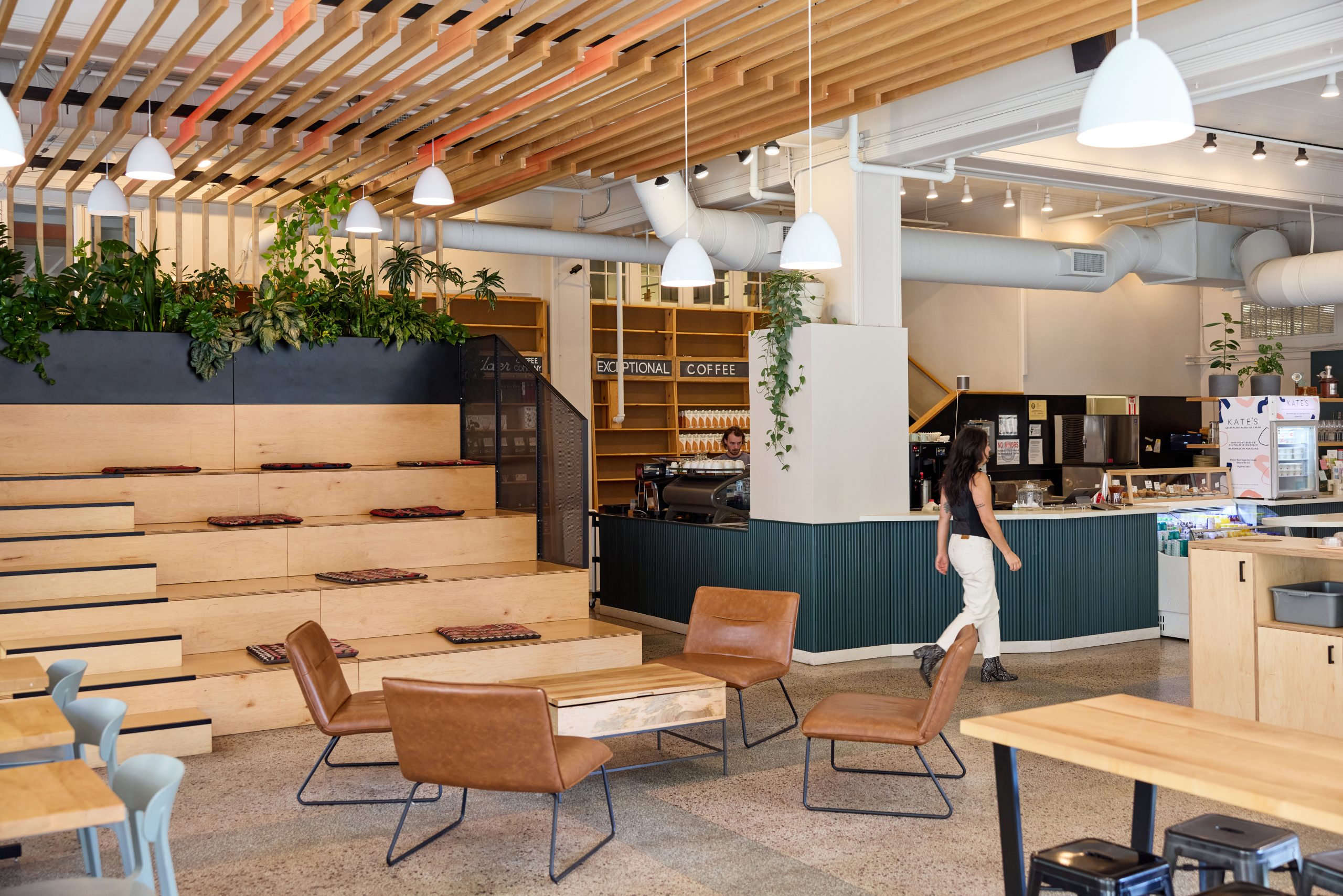
Bringing people into your café once you open your doors requires local coffee shop marketing or digital coffee shop communications. You want to let people nearby know you are open for business, and once they visit, hope they’ll want to come back. Sometimes that’s as easy as picking a good location or sending out email offers to customers who sign up for a mailing list. But no marketing strategy will ever be as effective as delivering good service quickly and prioritizing espresso quality.