Written by Jordan Michelman.
If you pressed me to describe my very favorite cultural overlap between specialty coffee and the wider food world at large, I would say, quite simply, bakeries.
I love bakeries. Old bakeries, new bakeries, modern bakeries, traditional bakeries, places that expand my palate for the global culture of baked goods, and bakeries that harness the culinary power of brilliant chefs dedicated to the world of patisserie. We try to write about bakeries whenever possible on Sprudge, and I’ve covered the bakery beat (in one form or another) for publications like the San Francisco Chronicle, The Stranger, The Atlantic, Portland Monthly, and many more.
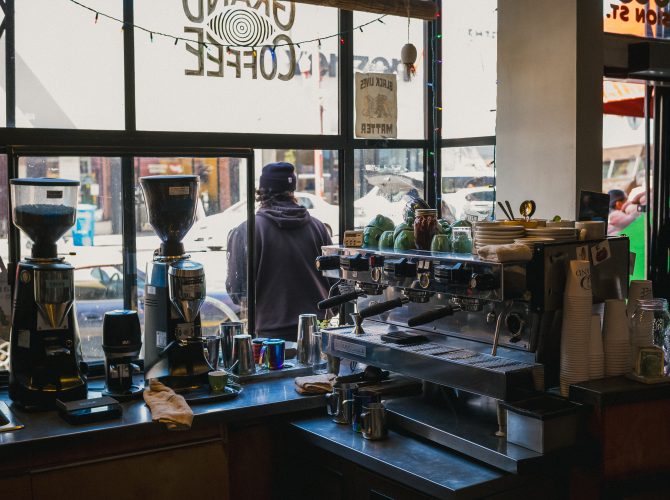
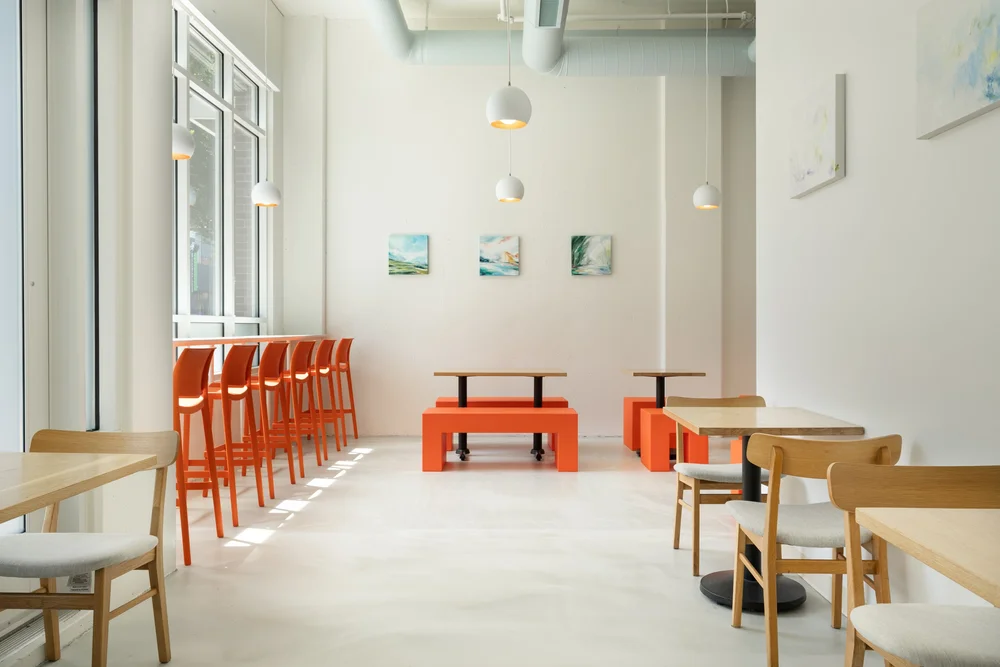
The best case scenario at any bakery includes a nice coffee program (of course), and so it’s no surprise that at more than a few leading bakeries across the United States, you’ll find a trusted La Marzocco espresso machine. That’s the case at Berlu, a new—or rather, newly reopened—bakery in the city of Portland, Oregon, from chef and owner Vince Nguyen. He’s a really interesting story: originally opened as a fine dining restaurant (with a James Beard Award to go with it), Berlu pivoted into a bakery-only concept that draws a serious line each weekend. Berlu expanded into a new home earlier this year, and with it comes an expanded coffee program, anchored by a spiffy new La Marzocco Linea PB.
I sat down with Vince Nguyen to learn more about the bakery and the unique role coffee places in his modern Vietnamese pastry menu.
Hi Vince! I’m so glad to chat with you all about Berlu. As a starter, I typically like to ask folks to introduce themselves to readers who might not be familiar with the project. For someone encountering Berlu as it is right now, how do you describe your work in 2025?
Hello Jordan! My name is Vince Nguyen. I’m the chef/owner of Berlu Bakery. We offer a selection of Vietnamese pastries, beverages, and savory dishes. While all of our offerings are rooted in tradition, we like to add our progressive approach by highlighting local/organic ingredients and blending touches of Western culture within the traditional Vietnamese offerings. We also happen to be a dedicated gluten & dairy-free bakery, as I have an allergy to both. The beauty of Vietnamese cuisine is that gluten and dairy are rarely used, so few substitutions are needed to be made, allowing our guests the opportunity to enjoy the dishes as they were intended to be served.
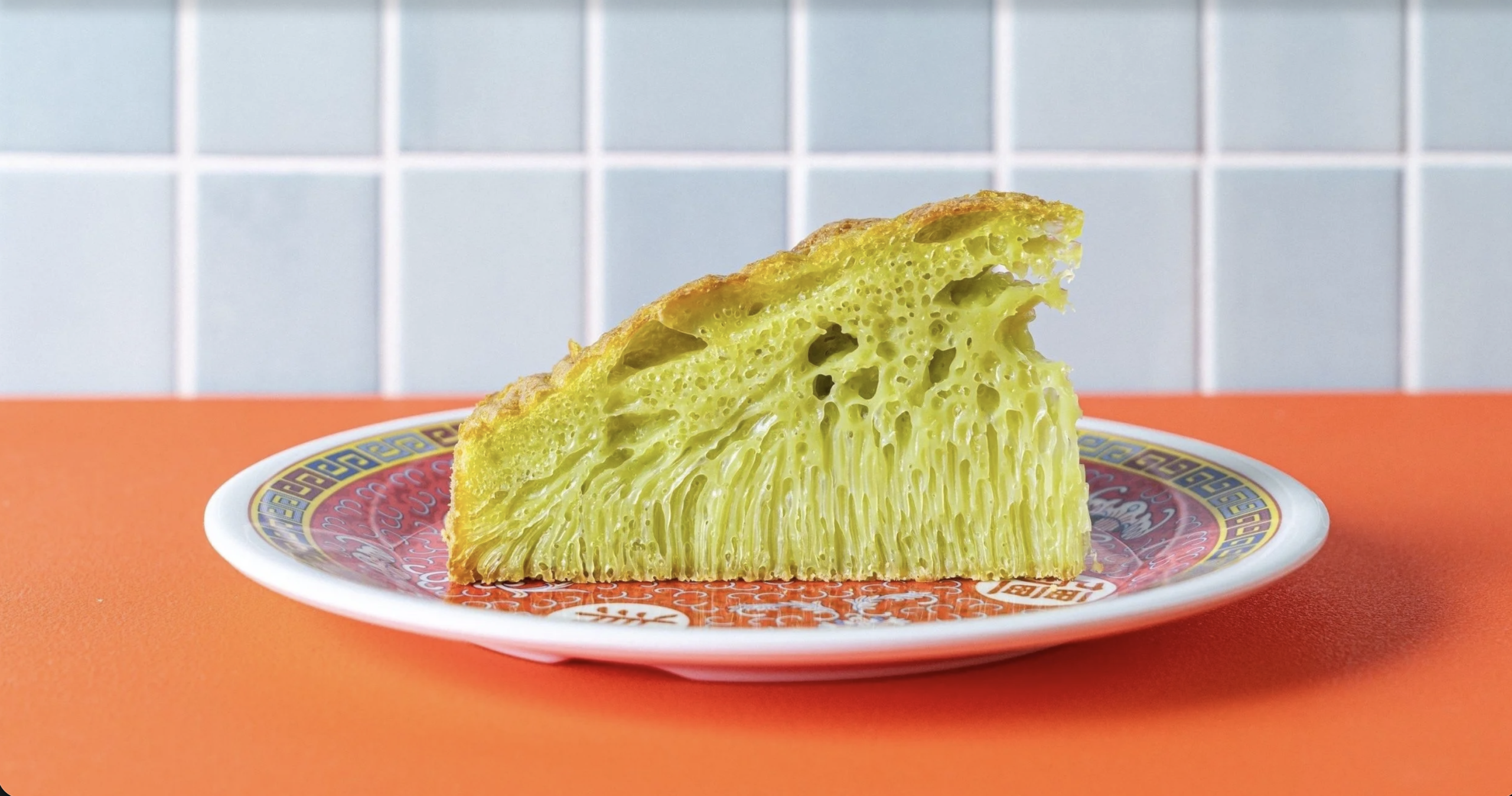
Your bakery concept has certainly changed and evolved over the years, but some dishes have stayed largely the same — the pandan Bánh Bò Nướng, for example — it’s the first thing you see on your website, you have printed it on socks, it has become a huge part of your identity.
Tell me about what this dish means to you, and your own personal journey with it — have any of the details of the recipe changed over the last few years? Are you still always tweaking it?
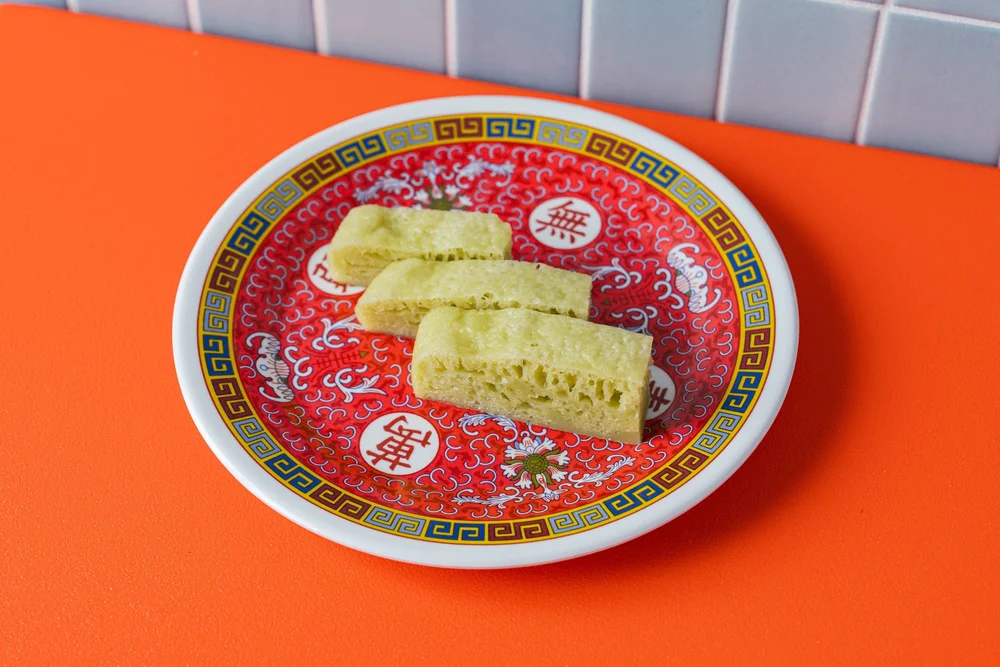
The pandan bánh bò nướng is very special to me. It was the very first Vietnamese pastry I ever made, and it is the reason we even considered shifting to become a Vietnamese bakery. I made my first loaf during the pandemic, as I thought I was creating a cake my sister used to request from one of our aunts every year for her birthday. It turned out that bánh bò nướng wasn’t the same cake; it was a pandan custard chiffon cake. So I stumbled upon it….maybe it was destiny.
I’m constantly thinking of ways to improve our bánh bò nướng. We started by using pandan extract, so the first major tweak was shifting our recipe to use fresh leaves. Bánh bò nướng requires single-acting baking powder, rather than double, and we were finding inconsistencies in that product, so we also started to make our own single-acting baking powder. Now, we’re thinking of ways to incorporate/increase different flavors and have also begun serving bánh bò nướng with salted coconut cream.
On a deeper, personal level, I feel I’m a lot like bánh bò nướng. In a world of croissants and sourdough, here’s this goofy-looking, green, chewy cake. It’s a little different and might be hard to understand, but there’s an undeniable level of deliciousness and enjoyment that comes with eating it. While I understand why a croissant or a loaf of bread has become the standard of the best bakeries, I feel bánh bò nướng belongs at that table.
You sometimes offer a coffee version of the Bánh Bò Nướng — I got to try this once, and it was delicious. Is this variation something you personally enjoy? Where did you first encounter it? Can you share anything more about this delicious coffee-baked good?
I love the coffee bánh bò nướng. It is common to see Vietnamese desserts flavored with coffee, but I had never seen this exact version before.
The process of adding the coffee flavor was quite simple. Basic bánh bò nướng requires coconut milk, sugar, and salt. This mixture is usually heated to dissolve the sugar. After doing this, we would add ground decaffeinated coffee and allow it to steep for 10 minutes, then strain it through a coffee filter. We used a high-quality bean from Extracto, which had lovely vanilla notes. This process was great because the coffee did not thicken the coconut milk. A thickened milk would prevent a proper rise when baking the bánh bò nướng, so we’re always considering ways to flavor bánh bò nướng that do not alter the viscosity of this mixture.
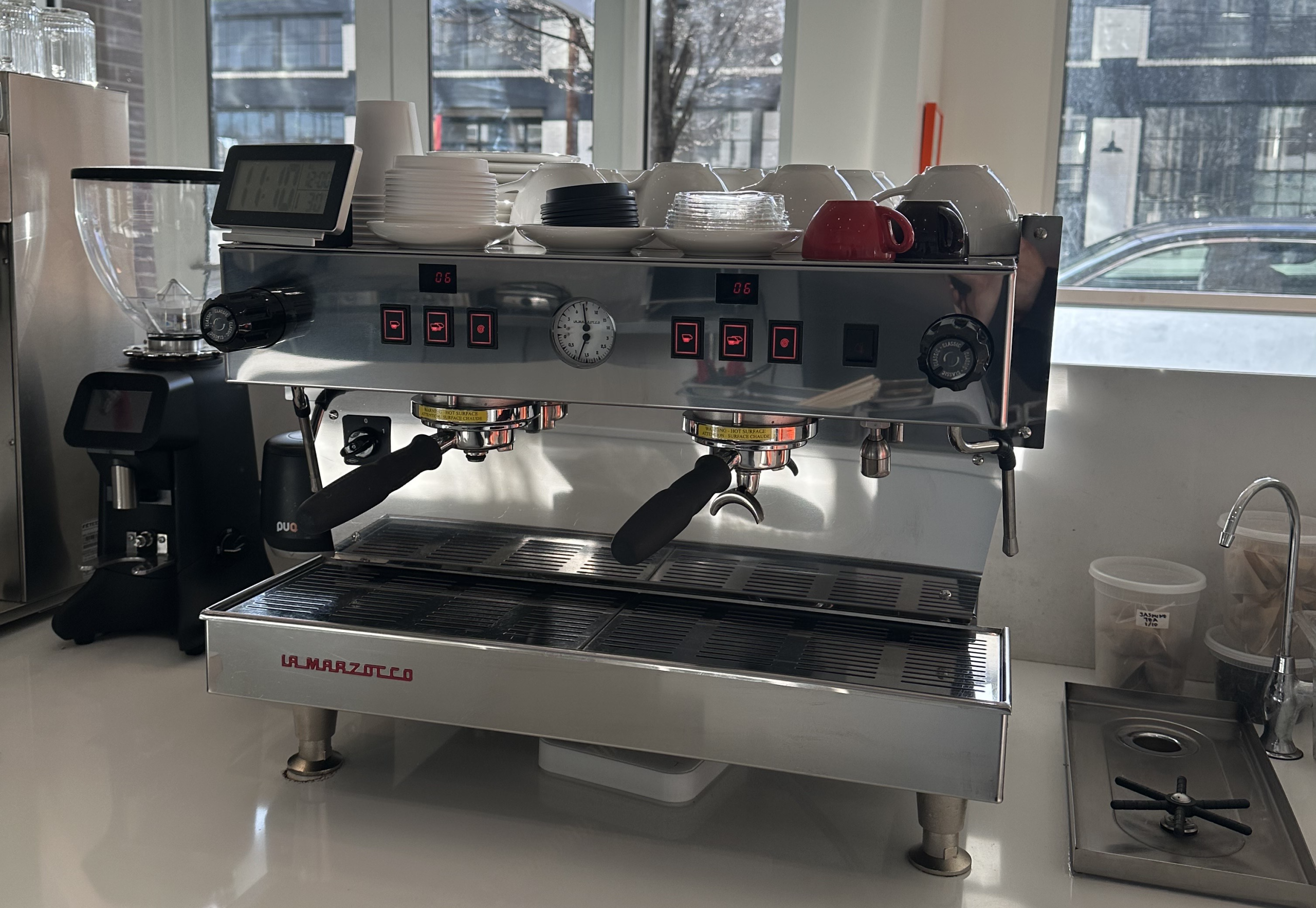
Speaking of coffee, at your new space, the coffee program is significantly expanded, with a proper espresso machine and a unique coffee menu. Talk to me about how you developed this part of the expanded Berlu offering at your new space — did you work on this in-house? Did you bring in an expert for coffee service? Please also tell me a little more about your coffee program — what roaster do you serve? What kind of espresso machine and grinder do you use?
I would say the greatest improvement from our previous space is our beverage program.
I was really torn as to what coffee I wanted to serve. I, of course, saw the value in using beans from Vietnam, but I ultimately decided to use beans from my favorite roaster in town, Extracto. The quality and consistency of their beans ultimately led me to partner with them. The owner, Christopher Brady, was great. He. installed/calibrated all of the equipment and provided training for the staff.
We use a Linea Classic espresso machine, a HeyCafe Buddy grinder for espresso, and a Mahlkonig EK43 for batch coffee.
When we opened, we offered lattes and espresso, but we sold very few, mostly selling cà phê sữa đá, which we pre-made using Café du Monde Vietnamese coffee. The intention was always to create more espresso-based drinks, but the cà phê sữa đá was a hit since we opened in the summer. Now that I have a better understanding of coffee and what our guests want, we added a few more espresso-based drinks.
While Christopher provided support in training/setup, we don’t rely on him for any beverage consultation. I’ve mainly worked with our team of baristas to come up with drinks.
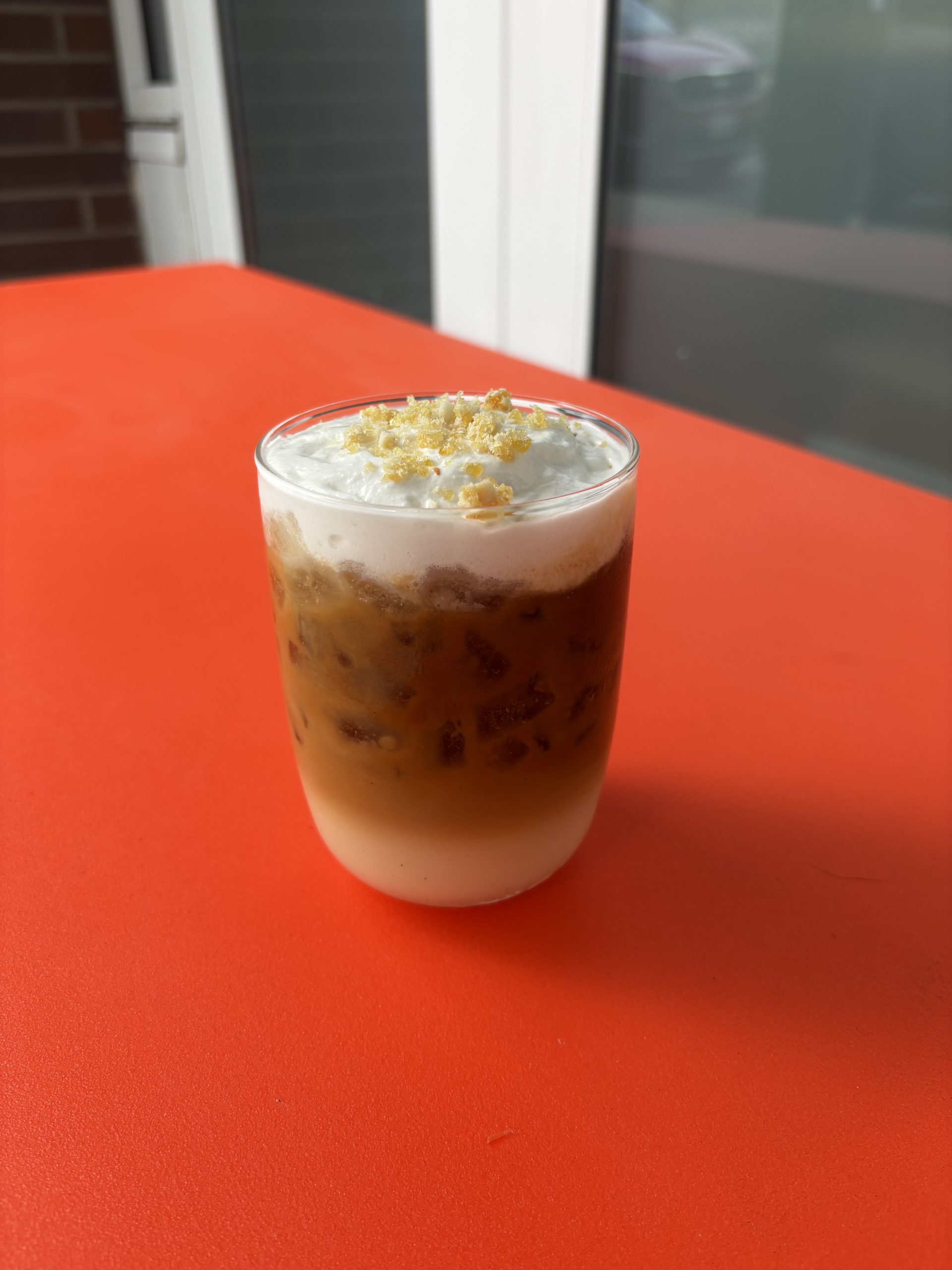
Is there a coffee drink on your menu that you think is the most interesting or exciting? I tried the peanut milk latte and would love to know more about that — but perhaps there’s another drink you think is especially good?
I would definitely say that my current favorite drink is the Kẹo Mè Xửng Huế Latte, or peanut latte. It is based on a Vietnamese candy that I actually never had, but remember seeing at family events. It’s essentially a peanut/sesame brittle. This latte has 3 main components: peanut milk, double espresso, and sesame foam. For the milk, we roast peanuts and blend them with water. After straining, we add sugar and salt. For the foam, we also toast white sesame, then blend with coconut milk, sugar, salt, and charge in an ISI siphon. The peanut milk gets poured over ice and topped with the espresso, sesame foam, and a little sprinkling of the ground candy.
Now that we’re approaching the colder months, I want to work on a hot version of this drink.
Another drink I’m also really excited about is cà phê trứng (egg coffee) . This will be made hot, using a combination of espresso + cafe du monde. It’s then topped with a luscious egg foam, similar to a sabayon. We will also grate a little salted egg over the top. This is my favorite Vietnamese coffee drink or coffee drink period. We served it in the past, but the ability to have espresso will make it 10x better, plus I’ve been working on a foam recipe to more closely replicate the best versions I’ve had in Vietnam.
Espresso + tonic is a combination I had never previously seen. We’ve made a few versions, adding pineapple juice or soursop/coconut water, that seemed to be fun. While I’m personally not a fan of espresso/tonic, I felt I was able to create a balanced/nuanced drink that people really loved. I’m also excited to bring back coffee kombucha. We did it in the past and plan to make a coffee kombucha cream soda, similar to the jasmine tea cream soda we make.
Is there a perfect pairing you might recommend on your menu? Perhaps…espresso with a clove canele? Or something else?
I really love dipping a pandan bánh bò nướng into a vanilla latte. The clove canele or cardamom/pineapple cake with espresso sounds delicious as well. Maybe salted egg tart with a cappuccino.
Something I think is really special about Berlu is to have a chef of your calibre dedicating themselves to baking — as someone who loves bakeries personally, there are a small handful of other bakeries with similar stories to yours, often influenced by changes around the pandemic — I’m thinking of places like Elbow in NYC or Maison Nico in SF. Talk to me about this a little bit: how do you think your formal background as a chef informs your approach to baking?
I don’t really see the bakery any differently than the original version of a tasting menu restaurant. Everything I do in life, I do so with the ambition to excel. What I love about the bakery is similar to what I loved about the restaurant. They provide a platform to create and express myself, and an opportunity to be challenged and to grow. Although a bakery is not held in as high esteem as a tasting menu restaurant, I still find great fulfillment. By cooking Vietnamese food at such a basic, traditional level, it has also helped me realize so many things about myself, my heritage, and my family.
I think an understanding for flavor, nuance, texture learned through creating tasting menu dishes has made me a better creator of coffee drinks, pastries, and traditional Vietnamese savory dishes. We put the same amount of care into each pastry as we did with our tasting menu. I also feel that if I do ever return to the tasting menu world, my time as a baker will have made me a better chef. Beyond just having more experience with desserts, the bakery has made me a better leader/manager and one thing I really admire about bakeries is that there’s no hiding beyond a story or glamour of a technique. It’s either delicious or it isn’t.
Visit Berlu Bakery at their website and on Instagram.