When PUQ launched in 2011, they saw a simple problem in cafés that could be solved through automation. The original PUQ Press added both consistency and speed to most café workflows, giving baristas in busy coffee shops a leg up. Now, 15 years later, PUQ is expanding their lineup to incorporate even more workflow improvement. We spoke with Marketing Manager Thomas Verheij about the history of PUQ and where they see themselves going.
When did PUQ launch the first Press?
PUQ launched the first automatic tamper in 2011. Our founder Laurens noticed a barista tamping hundreds of shots a day in a small café in Delft, the Netherlands: inconsistent pressure, wrists hurting by the end of the shift, valuable seconds lost on something that could be solved. He built the first working prototype in a single day. That prototype became the PUQ Press, and with it, an entirely new product category.
What issues were you hoping the Press would solve for baristas?
Three things, really. Consistency first: even experienced baristas produce variation in tamp pressure and angle, which directly affects extraction. Physical strain second: repetitive tamping over a full shift causes real injury over time, and that’s not acceptable for anyone doing this work professionally. And workflow third: the seconds saved on every tamp add up across a busy service.
What surprised us was the less obvious benefit that baristas started talking about once they had the tool. By removing a repetitive task from their hands, they freed up mental space. They started dialing in more deliberately, experimenting with variables they hadn’t been paying attention to. The tool gave them back focus. That became central to everything we build.
How did barista feedback inform the next version of the PUQ Press?
Directly and continuously. Every iteration of the PUQ Press has come from conversations in real cafés. Baristas told us what felt right and what didn’t: how the tamp height behaved at different doses, how the machine responded in tight spaces, how the pressure setting needed to work across different coffee types.
We don’t design from behind a desk and then test. We go in, we watch, we ask, and we listen to what people don’t say as much as what they do. If a barista hesitates using something, that’s feedback. If they adapt their workflow around a limitation, that’s feedback. The product gets better because the feedback never stops.
How has PUQ expanded beyond the Press?
We started as a tamping company. Today, we think of ourselves as a workflow company. The question has always been the same: where is the barista losing time, energy, or consistency, and what can we build to help?\
That thinking led us to the Integrated Series: automatic tampers built specifically for individual grinder models, so the tamper and the grinder work as one. It led us to prep tools for distribution. And it led us to cleaning, with the Q-Brush, a tool designed to make group head maintenance easier and more consistent. No motor, no electronics. Just better engineering applied to a part of the workflow that’s been overlooked for too long.
The brand also evolved with that. PUQ is no longer just a press. It’s a full ecosystem of tools built around one principle: support the barista, don’t replace them.
What do you see as the toughest challenge when developing new products?
The hardest part is always design, not mechanics. Getting a mechanism to work is an engineering problem, and those have solutions. Getting a product to feel like it belongs, like it was always part of the bar, is a different challenge entirely.
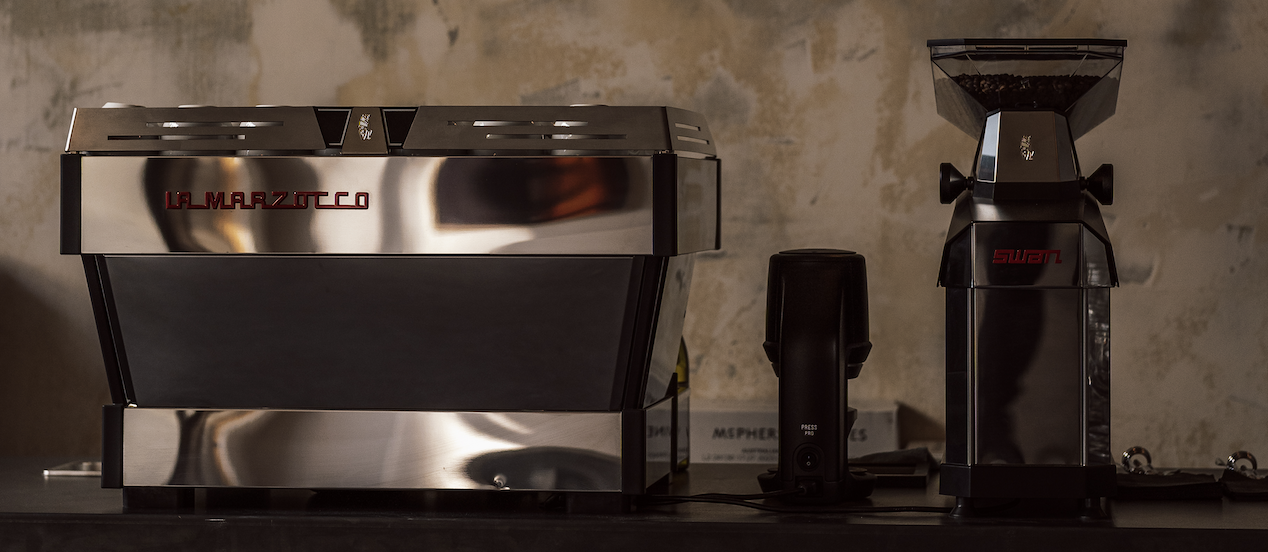
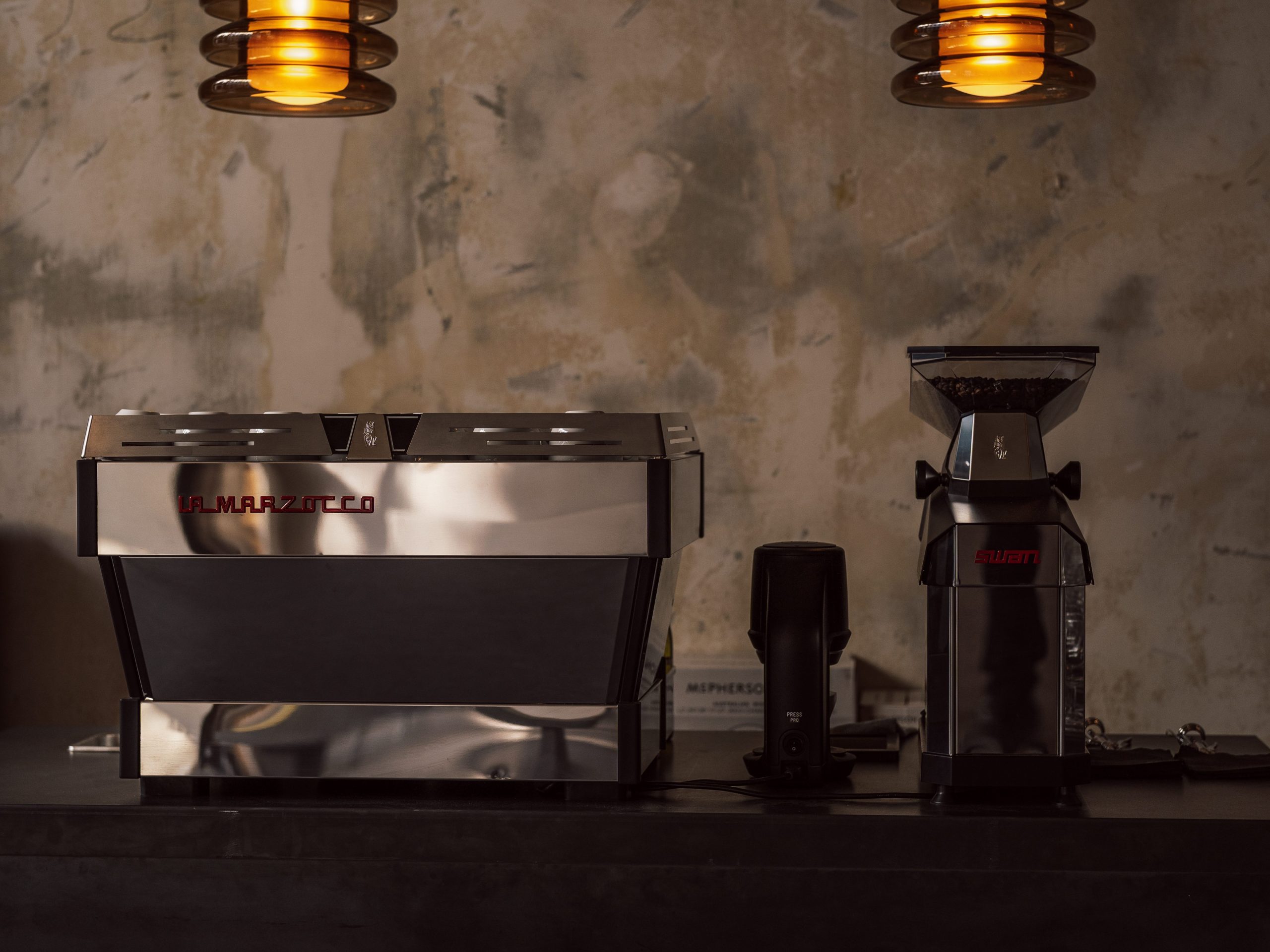
This is especially true for the Integrated Series. When you’re building a tamper that mounts directly onto a specific grinder, the two objects have to become one visual story. The La Marzocco Jay is a beautiful machine with a strong design identity. The PUQ tamper that attaches to it needs to feel like a natural extension of that, not an afterthought. Getting that right takes time, iteration, and a willingness to go back to the drawing board more than once.
How does PUQ help cafés adapt their workflow for modern espresso service?
By removing the variables baristas shouldn’t have to think about. Modern espresso service is demanding: higher throughput, more complex recipes, increasing guest expectations, often with smaller teams. Every second and every inconsistency carries more weight than it used to.
PUQ-tools take the repetitive, high-stakes steps out of the barista’s hands and make them reliable. Consistent tamp every time, regardless of who’s on bar. That’s not automation for its own sake. It’s making the standard high enough that the barista can focus on the things that actually require their skill and attention: dialing in, reading the shot, connecting with the guest.
Where do you see the future of PUQ going as a company?
Deeper into the workflow and broader across the industry. We’ve built our reputation in specialty coffee, where the standard for tools is uncompromising. That’s where we want to stay. But the problems we solve aren’t unique to specialty coffee: physical strain, inconsistency, and wasted time exist in every coffee environment.
The partnerships we’re building, including our collaboration with La Marzocco, reflect that direction. Integrating PUQ technology into world-class machines means the workflow benefits reach more baristas, in more places, without them having to seek it out. That’s genuinely exciting for us. Good tools should be within reach of anyone who takes their craft seriously.
For more information, you can visit PUQ at their website.