Written by Jordan Michelman.
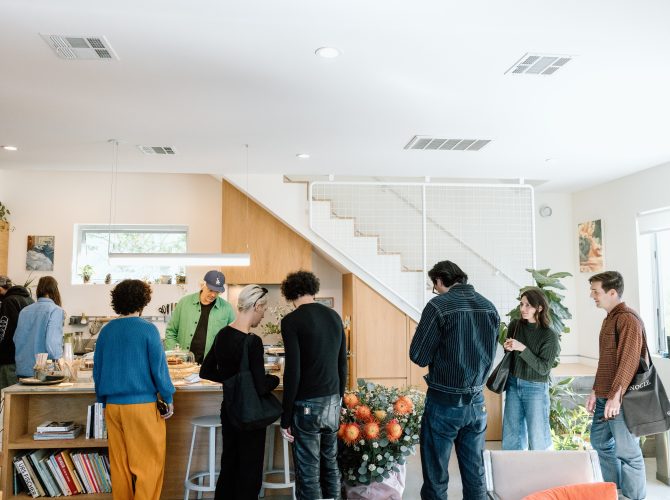
When Isaac Watters and Sydney Wayser opened Granada at the start of 2026, they had no clue it would become a smash hit. Before the stories by CNBC, Los Angeles Times, and Eater, before the local news crews from FOX and ABC, this cafe started to take advantage of an exciting new premise: the at-home cafe.
A new program in California called Microenterprise Home Kitchen Operation (MEHKO) was passed statewide in 2019 and authorized by the Los Angeles County Board of Supervisors in 2024. This program allows Watters and Wayser to open up shop under California cottage food law on the ground floor of their home in LA’s Echo Park neighborhood, a sun-drenched stretch of central Los Angeles that’s home to some of the city’s buzziest cafes, restaurants, bars, bookshops, and the iconic Dodger Stadium. “We didn’t expect it to be so popular,” Watters tells me. “But a lot of that is just timing. Everyone is finding out you can do this now, and so people want to come and experience it.”
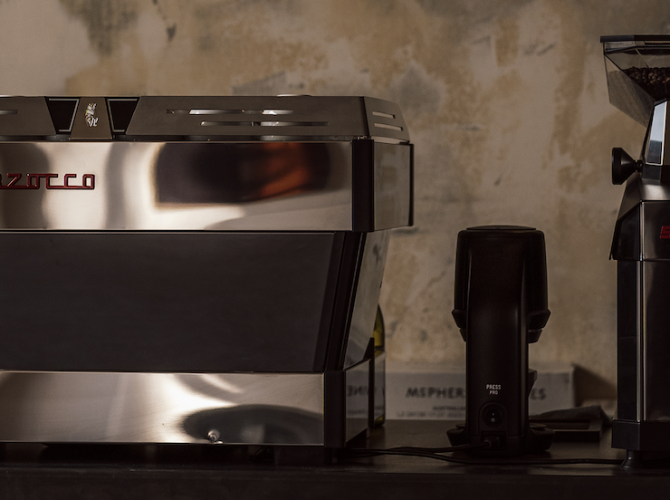
Social media has played an important role in the cafe’s booming popularity—on its busiest days, Granada serves up to 300 drinks, making good use of a La Marzocco Strada and putting up numbers that rival any brick-and-mortar cafe. But there are limitations under MEHKO, including the number of hours a week the cafe can be open and the total revenue it’s allowed to generate in a year.
To learn more I spoke with Isaac Watters from Los Angeles.
Hey Isaac, thanks so much for talking to us. Tell me more about how you guys worked with the MEHKO program to open Granada.
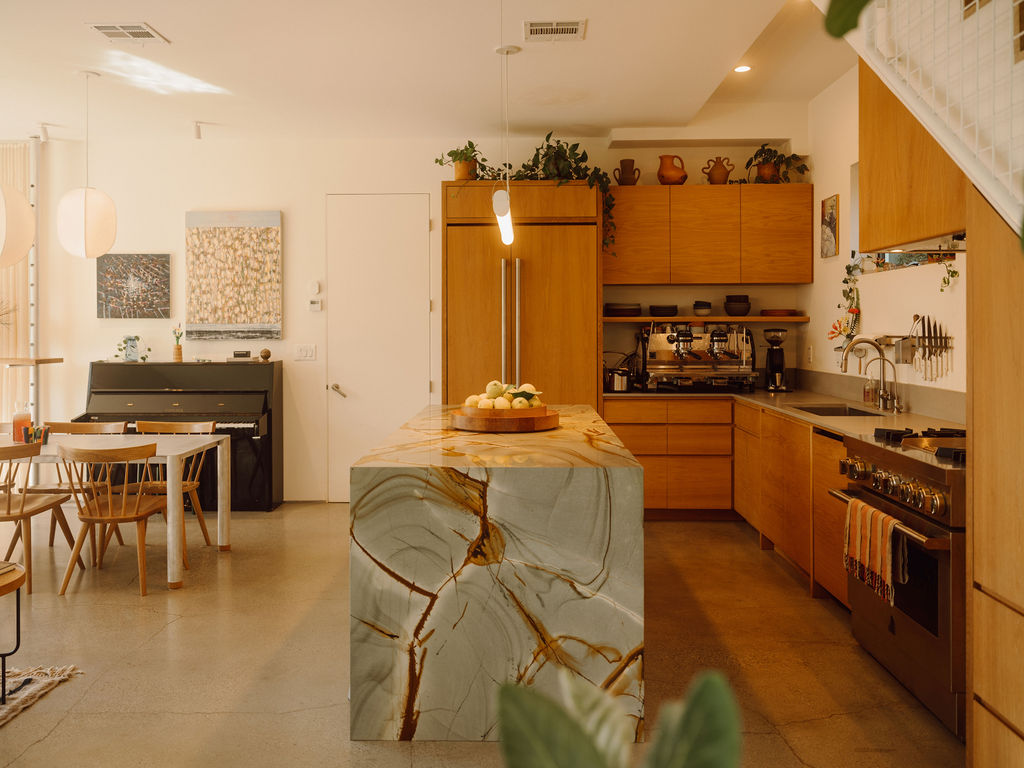
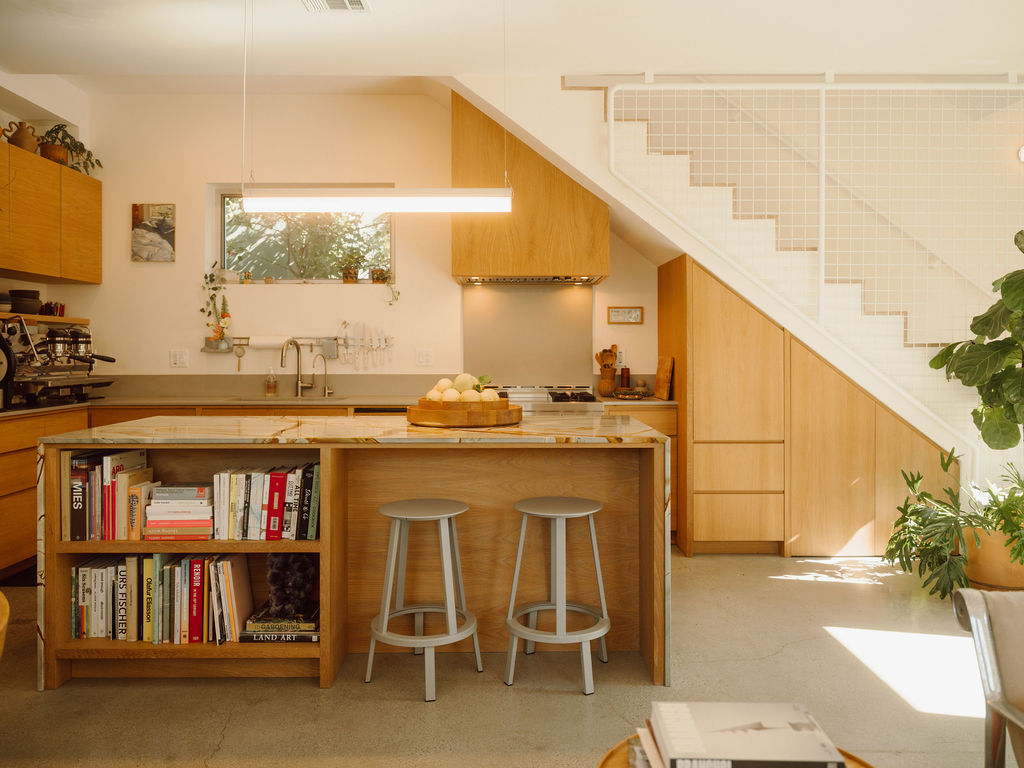
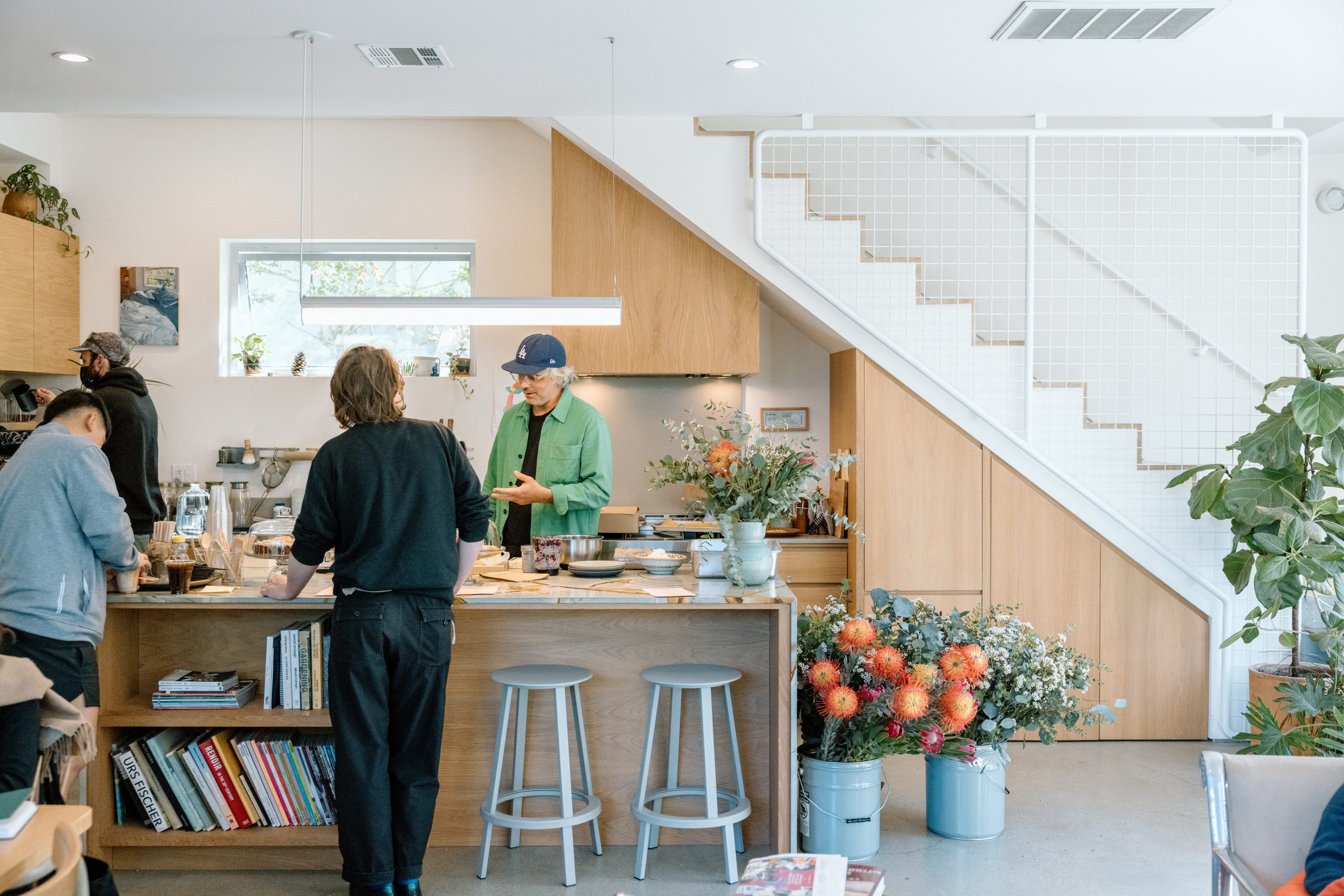
Isaac Watters: The basic idea of MEHKO is that it has to be run out of your primary residence. You have to actually live where the business is. We’ve lived in this house for two years, and when we found out about the program we decided to try it. The way we describe our house is a real separation of public and private space: it’s private upstairs, and public on the ground floor downstairs. We have big slider doors out to the garden and the counter area, which we felt like could work as a coffee shop. The MEHKO program is an example of something the state and county are doing that are really good ideas, trying to increase density and mixed used and creating opportunities for neighborhoods to feel more livable. We wanted to try it.
When we first opened, we figured it would pretty much just be our immediate neighbors and friends who would come. But now it’s taken off, and we have people coming all the time. Right now, our hours are limited to just Tuesday through Friday, 9-2 pm. MEHKO has a number of limitations built into its operation, including a weekly limit of 40 hours for hourly employees. This means we work with two part-time baristas, including Chad Aarons, who is our main coffee guy, each working 20 hours a week.
Had you done any of this sort of work before?
No, not really. My background is in design and architecture, and Sydney and I are both musicians. I have worked previously on a number of coffee shop designs, including some of the early Los Angeles Blue Bottle locations as well as Dinosaur Coffee in Los Feliz. But that’s not the same as running or owning a coffee shop.
Tell us more about the design process for Granada. How did you incorporate a coffee bar into your home?
We started by rebuilding furniture for our living room and making it more open. Before, we just had couches in there. We built a new dining room table and redid the whole landscape design for the house’s exterior, and built a huge aluminum table outside with new stools, benches, and stuff. When it came to the espresso machine, we started with a used Lelit Bianca from a friend, but it just couldn’t keep up. We weren’t plumbed in, and every time we swapped out the water, the shots weren’t as hot. We tried using a different big commercial machine for a little while, which was really loud, and our baristas weren’t happy with it. At one point, we were running two Lelits, but they kept crapping out. At this point, we were doing 200 to 300 drinks a day, and we finally broke down and said we needed a real machine.
I have a friend who used to be the manager at La Mill here in LA many years ago, and he had a bunch of connections that led us to a Strada. And now we finally have a machine that doesn’t give us any problems. It works great, has built-in scales, and the flow is so much better. We used to have days when people would wait in line for half an hour to get in, and then wait another 45 minutes for coffee. People were usually nice about this—everyone wants to come hang out, have fun, and meet people here—but now we have the house’s good vibes, a really good workflow, and coffee. We serve coffee from Concierge Coffee, which is originally from Berlin but has a cafe now in the Arts District, and they roast for us.
I want to ask you about the mental split of having a cafe in your home. What does that feel like? How does the house feel when you aren’t open for business?
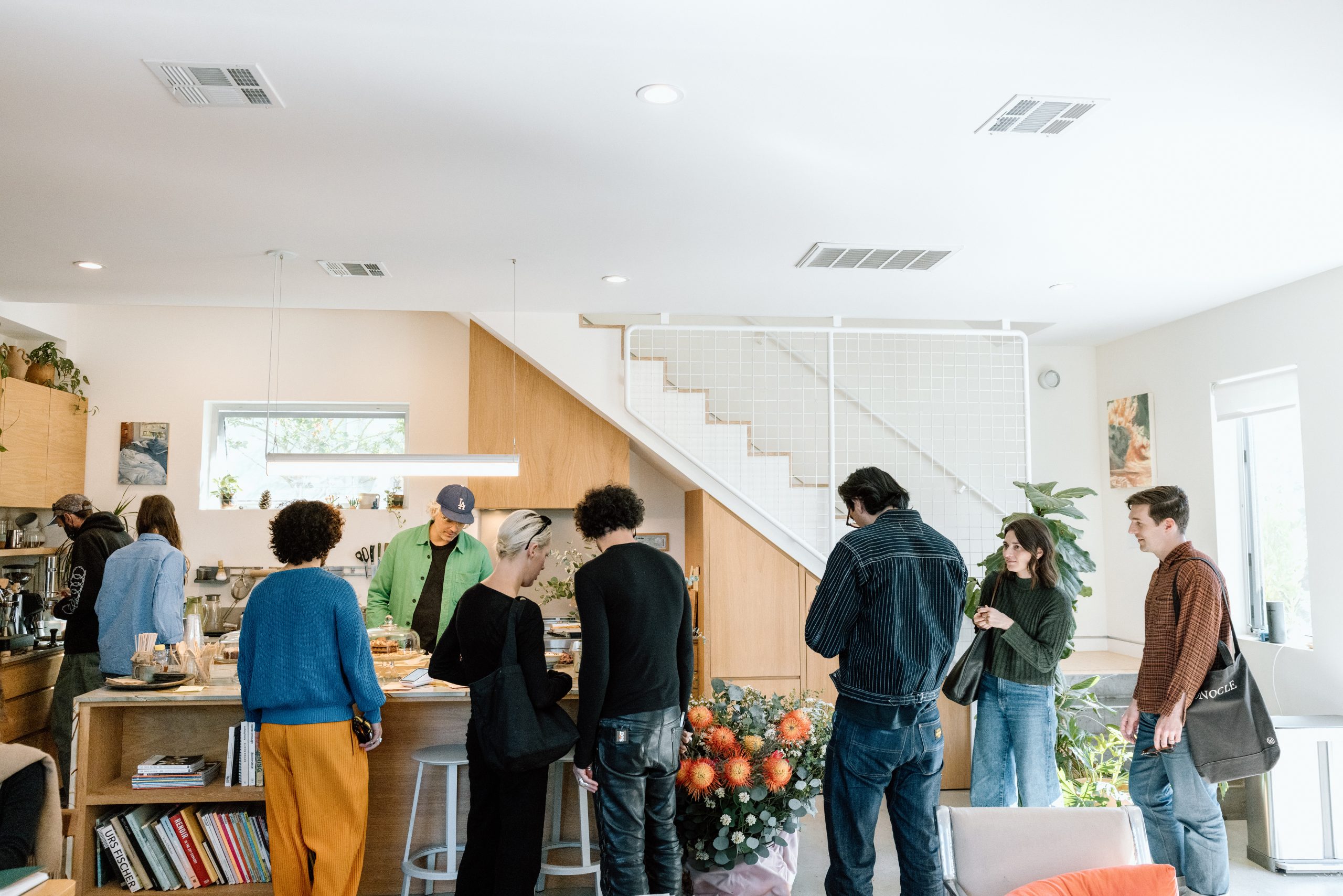
It feels good, you know? The cafe is only open 20 hours a week, so most of the time it’s just our house. And I feel like it’s kind of extra peaceful when we’re closed, actually. And then, when we’re open, it doesn’t really feel like a coffee shop—I’ve been describing it as more like a house party where everyone kind of knows someone, or is friends of friends, and people are very respectful of our stuff. We haven’t had anything get destroyed or messed up, and nobody is like, tagging the bathroom or destroying the furniture. Maybe because it’s a house, I think people are more prone to be respectful, or maybe the people who seek this kind of experience out are more respectful in the first place. It hasn’t felt that weird, honestly. It’s felt really good.
What’s been the biggest surprise about opening Granada as part of the MEHKO program? What advice would you give to someone looking to open their own home MEHKO cafe?
Well, you know, I feel like most people who do this might not have to deal with as much business as we do. For most people, it’s going to be more chill. Our busiest days are 300 transactions, but a normal day is about 120, which is still a lot. It’s constant ordering. That was the biggest surprise, honestly, because we didn’t expect it to be so popular. For some reason, the cafe does really well on Instagram and TikTok, and people like to post about it, which means more people keep seeing it and want to come check it out.
We didn’t really have to jump through any crazy hoops to get set up with MEHKO. The opening inspection was super helpful; they really helped walk you through it. In our experience, the LA County Department of Health was way easier to work with for this than everything they do to make you set up and open a commercial cafe. But there are a lot of limitations with MEHKO: you can only make 100k gross annually, which goes really quickly, and if you’re serving meals, there’s also a cap on how many meals you can serve in a week, plus a cap on the number of employees you can have. It’s meant to be for people trying to start something out, and it’s not like we’re going to take over the world of coffee with this.
One last question: what’s it like having a full-on Strada espresso bar in your living room??? Do you make coffee with it all the time, even when you’re closed?
Oh yeah, I make coffee on the machine every day, two or three times a day. It’s in my living room! But now we’re thinking we need to build a new bar; we have it plumbed in through the back wall of the kitchen into the bottom of the bathroom sink agave the P trap, and we also had to run a whole dedicated 220 power circuit for it and get a water system so we can blend water at cafe quality levels. Now it’s like a fully professional commercial cafe-style set-up in our house. When we started, it was much more of a residential feel, because that’s all we thought we’d need, but it’s so much fun to be super legit now with a La Marzocco and everything else. We love it.
Granada Cafe is located at 1451 Carroll Ave Los Angeles, CA. Follow them on Instagram for hours and updates.